
Tutorial
Maximizing Crop Yield with the Right Fertilizers

Th4
Fertilizers are essential in modern agriculture for enhancing crop growth and improving food production. As a farmer, understanding the types, application techniques, and benefits of fertilizers can lead to more sustainable and profitable farming. This article provides an in-depth look at how to choose and use fertilizers effectively, ensuring your crops receive the nutrients they need to thrive.
Types of Fertilizers and Their Benefits
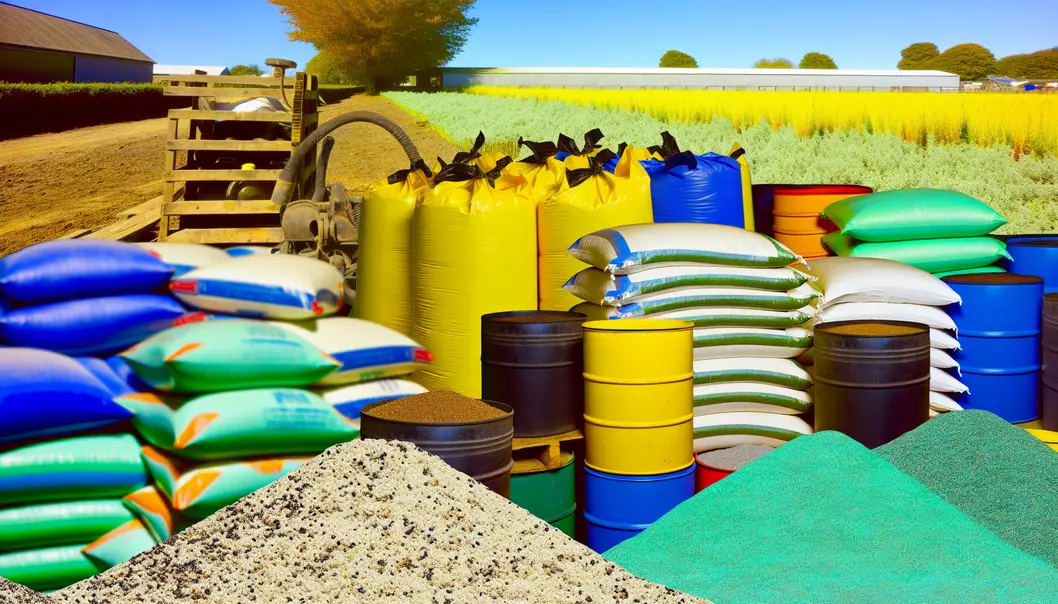
Farmers seeking to enhance their crop yield must navigate a range of fertilizer options, each with distinct advantages and specialized functions. Broadly, fertilizers can be classified as either organic or inorganic, each contributing differently to soil health and plant growth. Understanding these categories and their respective nutrients is critical for farmers aiming for optimal results.
Organic fertilizers are derived from natural sources such as compost, manure, and bone meal. These fertilizers offer several key benefits; they improve soil structure, increase nutrient retention, and promote the proliferation of beneficial microorganisms. The gradual release of nutrients from organic fertilizers ensures a sustained supply, enhancing plant growth over a longer period. Moreover, their ability to improve soil aeration and root development creates a thriving environment for crops.
Conversely, inorganic fertilizers, or synthetic fertilizers, are manufactured through chemical processes. They are specifically formulated to provide exact nutrient concentrations, offering rapid and targeted replenishment. Key components of inorganic fertilizers include nitrogen, phosphorus, and potassium, collectively known as N-P-K.
Nitrogen fertilizers, such as urea and ammonium nitrate, are crucial for promoting vigorous leaf growth and vibrant green foliage. Since nitrogen is a primary component of chlorophyll, it is vital for photosynthesis. Adequate nitrogen ensures plants can produce the food necessary for growth and contributes to substantial increases in crop yield.
Phosphorus fertilizers are essential for energy transfer within plants. Compounds such as superphosphate and ammonium phosphate facilitate the development of strong root systems and aid in flower and seed production. Phosphorus plays a pivotal role in transforming solar energy into chemical energy, ensuring plants have the resources they need to grow and thrive.
Potassium fertilizers, including potassium chloride and sulfate, strengthen plant cells, improve disease resistance, and enhance drought tolerance. Potassium regulates the opening and closing of stomata, contributing to effective water management and metabolic processes within plants.
Choosing the right combination of fertilizers is essential for optimizing plant health and yield. It requires considering the specific needs of the crop, soil conditions, and environmental factors. For instance, sandy soils may benefit from fertilizers that improve moisture retention, while clay soils might require options that enhance drainage.
To effectively leverage these nutrients, farmers should integrate soil testing into their regimen. This practice helps determine the existing nutrient levels and paves the way for tailor-made fertilizer applications that address deficiencies without overuse. Such precision ensures sustainability and cost-effectiveness in the long run.
For more on sustainable farming and crop management, explore this insightful post that delves into contemporary agricultural practices.
As we delve deeper, the subsequent chapter will focus on Effective Fertilizer Application Strategies, examining how careful application can maximize efficiency, minimize waste, and secure environmental well-being.
Effective Fertilizer Application Strategies

Applying fertilizers effectively in farming is crucial for maximizing crop yields while minimizing waste and environmental harm. The strategy begins with soil testing, which provides essential data on the nutrient levels in the soil. By understanding the existing nutrient profile, farmers can make informed decisions about the type and amount of fertilizer required, addressing specific deficiencies and avoiding unnecessary applications.
Timing is another critical factor in fertilizer application. Nutrient uptake by plants is seasonal and stage-dependent. Applying fertilizers when plants are most capable of absorbing nutrients maximizes efficiency. For instance, providing nitrogen during vegetative growth phases supports leaf development, while supplying phosphorus and potassium before flowering improves root and bloom health.
The method of application also plays a vital role in how effectively fertilizers are utilized by plants. Broadcasting, the even distribution of fertilizers across the soil surface, is simple and cost-effective for large areas. However, it can lead to nutrient runoff if not managed correctly. Banding involves placing fertilizers in concentrated bands close to seeds or plants, reducing nutrient loss and enhancing root uptake. Foliar feeding, where nutrients are directly sprayed onto plant leaves, provides a rapid response to deficiencies or as a supplemental boost. Each method has its place, and often a combination of techniques yields the best results.
Precision in application not only enhances nutrient uptake but also significantly reduces environmental impact. Over-application or mismanagement can lead to leaching, runoff, and pollution of water bodies. Implementing targeted fertilization strategies means that nutrients are only applied where and when they’re needed. This precision conserves resources and protects ecosystems.
The integration of technology, such as GPS-guided equipment and data analytics, has advanced precision agriculture. These tools can optimize fertilizer usage by creating detailed maps of field variations, allowing for site-specific management. This approach ensures that input costs are controlled, and yield potentials are maximally achieved without compromising environmental integrity.
Farmers can continuously improve application strategies by staying informed about emerging research and techniques. Engaging with local agricultural extension services and peer networks facilitates the exchange of knowledge and best practices. By adapting and refining methods, farmers not only enhance their yield but contribute to sustainable agricultural practices.
For a deeper exploration of how technological advancements are influencing farming strategies, you can explore AI advancements in farming solutions. These innovations are reshaping the landscape of modern agriculture, enabling smarter and more efficient solutions tailored to individual farm needs.
Final words
Choosing and applying the right fertilizers is crucial for achieving optimal crop yields and maintaining soil health. By understanding the types and application strategies, farmers can not only boost their productivity but also contribute to sustainable agriculture practices. Equip yourself with this knowledge and see the difference in your fields.
Bạn đã sẵn sàng nâng tầm doanh nghiệp của mình với tự động hóa tiên tiến chưa? Hãy liên hệ với Nguyễn Duy | 0964934238 ngay hôm nay và để đội ngũ chuyên gia của chúng tôi hướng dẫn bạn đến thành công được tối ưu hóa với n8n và các giải pháp dựa trên AI!
Learn more: https://lithahi.vn/elements/pages/contact/
About us
Nguyễn Duy | 0964934238 là một công ty tư vấn có tư duy tiến bộ, chuyên về tự động hóa quy trình làm việc n8n và các giải pháp dựa trên AI. Đội ngũ chuyên gia của chúng tôi cam kết trao quyền cho các doanh nghiệp bằng cách tối ưu hóa quy trình, giảm thiểu sự kém hiệu quả trong vận hành và đẩy nhanh quá trình chuyển đổi kỹ thuật số. Bằng cách tận dụng tính linh hoạt của nền tảng mã nguồn mở n8n cùng với các công nghệ AI tiên tiến, chúng tôi cung cấp các chiến lược được thiết kế riêng, thúc đẩy sự đổi mới và mở ra các cơ hội tăng trưởng mới. Cho dù bạn đang tìm cách tự động hóa các tác vụ thông thường hay tích hợp các hệ thống phức tạp, Nguyễn Duy | 0964934238 cung cấp sự hướng dẫn chuyên môn mà bạn cần để dẫn đầu trong bối cảnh kỹ thuật số đang phát triển nhanh chóng ngày nay.
