
Tutorial
Effective Plant Protection for Longan Trees in Sông Mã, Sơn La

Th4
Longan trees thrive in the rich soil and favorable climate of Sông Mã, Sơn La. However, ensuring these trees reach their full potential requires understanding and using the appropriate plant protection products. For farmers in Mai Sơn, knowing which pesticides to use can spell the difference between a bountiful harvest and a disappointing yield. This article explores the best pesticides for maintaining the health of longan trees in this region, helping farmers achieve successful crops.
Identifying Common Pests and Diseases in Longan Trees
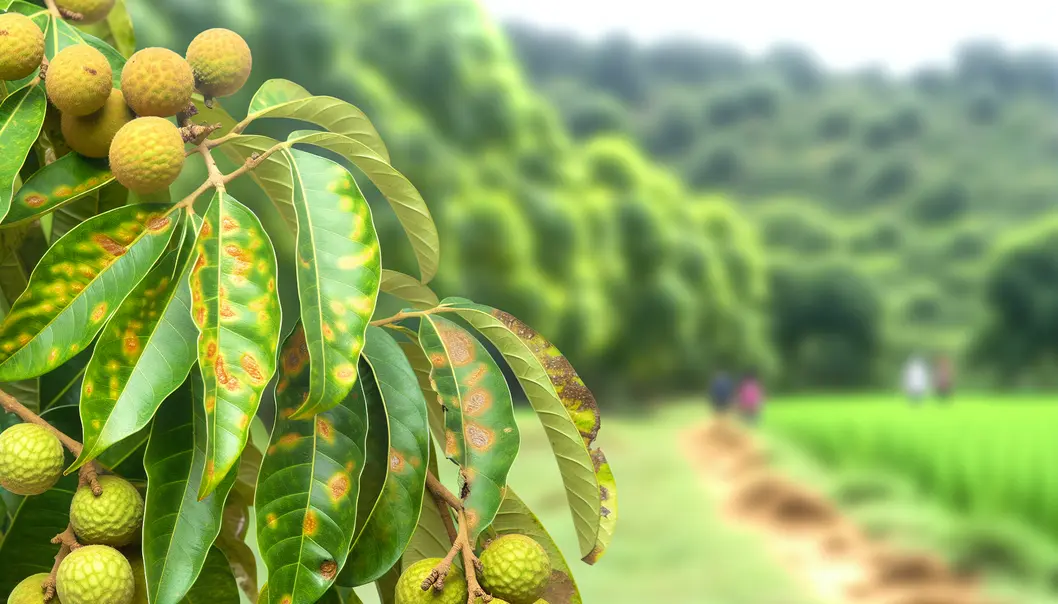
Longan trees in Sông Mã, Sơn La, face numerous challenges from pests and diseases, which can significantly impede their growth and reduce yields. Understanding these threats is essential for effective plant protection and ensuring the economic viability of longan cultivation in the region.
One of the primary adversaries of longan trees is the mite, with several species posing a threat. These tiny arachnids feed on plant sap, causing leaf discoloration and stunted growth. Mite infestations are often identified by the fine webbing they leave on the underside of leaves, along with speckled leaves and reduced fruit production. Mites can quickly spread if not controlled, affecting the entire orchard’s health and productivity.
Another notorious pest is the fruit borer, which directly impacts the fruit itself. The larvae penetrate the fruit, consuming its internal parts and leaving behind entry holes. This not only results in significant loss of edible fruit but also promotes secondary infections by fungi and bacteria. Signs of fruit borer activity include small entry holes on the fruit surface and frass or droppings around these holes. The impact on yield can be severe, necessitating timely intervention to prevent widespread damage.
Diseases like powdery mildew also pose a substantial risk to longan trees. This fungal disease is recognizable by the white, powdery spores it produces on leaves, shoots, and flowers. If left untreated, powdery mildew can lead to leaf curling, yellowing, and ultimately premature leaf drop, which severely limits the tree’s ability to photosynthesize effectively. As a result, the overall health of the tree declines, and fruit yield is drastically decreased.
Choosing the right pesticides to combat these issues is crucial. Pesticides not only help manage pest populations but also mitigate the negative impacts of infested trees. Without appropriate chemical intervention, the health and yield of longan orchards could be compromised, leading to economic losses. Therefore, understanding pest and disease symptoms is vital for early detection and effective management.
It’s also important to strike a balance between controlling pests and minimizing environmental impact. Overuse of pesticides can lead to resistance in pests, making them even harder to control. This is where integrated pest management strategies come into play, combining chemical and non-chemical approaches for sustainable longan cultivation. For insights on sustainable fertilizer usage for maximizing plant health alongside pest control, you may refer to this essential fertilizer farming guide.
Overall, Sông Mã’s longan growers must remain vigilant and proactive. By regularly inspecting trees and maintaining optimal growing conditions, they can identify potential problems early and apply targeted treatments. This not only safeguards the current season’s yield but also protects trees for future harvests, ensuring long-term sustainability for the longan industry in the region.
Choosing the Right Pesticides for Optimal Tree Health
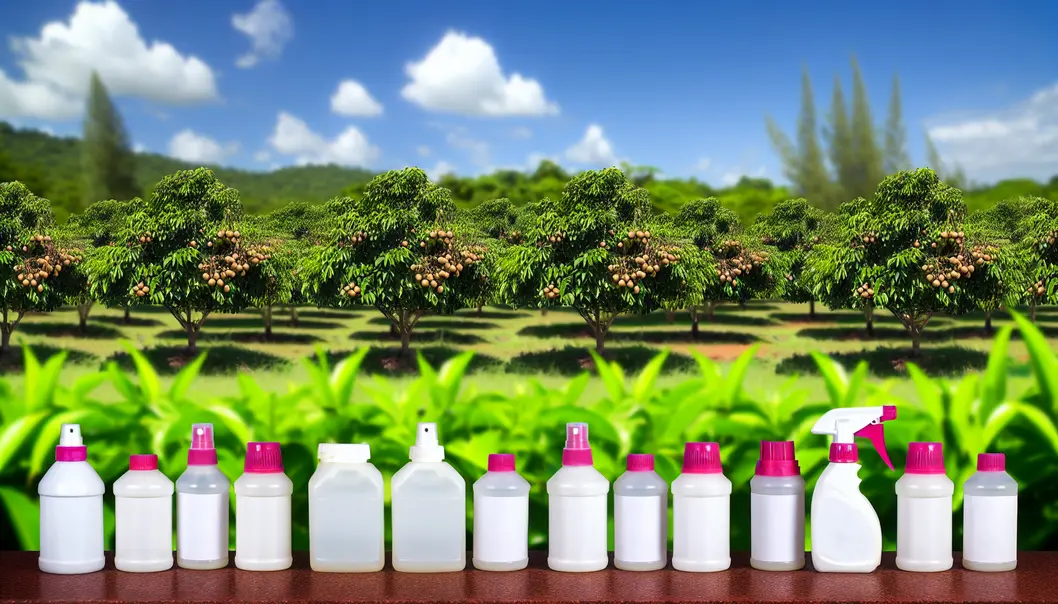
Selecting the most suitable pesticides for longan trees in Sông Mã requires careful consideration of several key factors. The unique climatic conditions and common pest issues in this region make it imperative for farmers to adopt a targeted approach to pesticide selection. Understanding the pest type is the foremost step. Common pests include mites and fruit borers, which can devastate yields if left unchecked. Farmers must first accurately identify the pests affecting their orchards to choose a compound specifically formulated to combat those threats.
The environmental impact of different pesticides cannot be overstated. Opting for eco-friendly solutions helps preserve the local ecosystem and ensures that non-target organisms remain unharmed. Biological pesticides, derived from natural sources, provide an alternative to conventional chemical options and have been shown to effectively manage pests with minimal environmental disruption.
Cost-effectiveness is another critical factor. Farmers need a solution that minimizes financial outlay while maximizing pest control benefits. Group purchasing and considering generic alternatives to popular brands can help reduce costs without compromising quality or effectiveness.
In Sông Mã, specific products have been proven beneficial for protecting longan trees. These options are typically applied as either foliar sprays or soil treatments. Foliar sprays involve applying the pesticide directly to the leaves, where pests frequently settle, ensuring immediate contact. On the other hand, soil treatments involve treating the soil around the base of the trees, which targets pests that affect the root system and prevents secondary issues from escalating.
The effectiveness of any pesticide also hinges on adherence to safe usage practices. Farmers should strictly follow the recommended dosage instructions and wear appropriate protective gear during application. It’s crucial to avoid applications during windy conditions or when rain is anticipated, as these can cause drift or wash-off, reducing the pesticide’s efficacy and potentially contaminating adjacent areas.
Conformity to agricultural guidelines set by local agricultural authorities ensures that the use of pesticides is both safe and legal. Farmers are encouraged to stay updated on any changes to these regulations, as failure to comply can lead to penalties and potentially harmful consequences for both their crops and the environment.
Effective pesticide use is integral to nurturing healthy longan trees in Sông Mã. By considering pest type, environmental impact, and cost-effectiveness, and by adhering to safe practices and regulations, farmers can ensure that their trees thrive without compromising the surrounding ecosystem.
Final words
Understanding and applying the right pesticides is fundamental for sustaining healthy longan trees in Sông Mã, Sơn La. By identifying common pests and selecting suitable solutions, farmers can significantly increase their crop yield and quality. Emphasizing responsible and safe pesticide usage will not only protect the environment but also ensure the prosperity of local agriculture.
🌱 Bạn đang lo lắng về giống cây trồng?
🌿 Bạn băn khoăn chưa biết chọn loại phân bón nào cho phù hợp?
🐛 Bạn đau đầu vì sâu bệnh tấn công cây trồng?
👉 Đừng lo! Đã có Lân Tuyển – Người bạn đồng hành tin cậy của nhà nông!
Chúng tôi chuyên cung cấp giống cây chất lượng, phân bón phù hợp với từng loại cây, và giải pháp phòng trừ sâu bệnh hiệu quả.
💚 Hãy để Lân Tuyển giúp bạn chăm sóc mùa màng xanh tốt – bội thu vụ mùa!
Learn more: https://lithahi.vn/elements/pages/contact/
About us
Công Ty Trách Nhiệm Hữu Hạn Một Thành Viên Lân Tuyển. Chuyên cung cấp các loại hạt giống, phân bón, thuốc cỏ và thuốc bón lá. Nguồn gốc an toàn, tốt cho cây trồng, cải tạo đất, cho cây phát triển xanh tốt, không gây ảnh hưởng đến cây trồng và con người. Sản phẩm uy tín và chất lượng hàng đầu. Liên hệ: 0968025005 – 0968 196 229 – 0965 516 262 Trụ sở 1: Tiểu khu 19 – TT Hát Lót – Mai Sơn – Sơn La Trụ sở 2: Tiểu khu 14 – Thị trấn Mộc Châu – Sơn La Trụ Sở 3: 291 Tiểu khu 19 – TT Hát Lót – Mai Sơn – Sơn La Trụ sở 4: Sông mã – Sơn La Trụ Sở 5: Lóng Piêng – Sơn La
