
Tutorial
Maximizing Crop Yields: The Essential Role of Fertilizers

Th4
Fertilizers play an indispensable role in modern agriculture, providing essential nutrients that enable plants to grow robustly and produce abundant yields. As a farmer, understanding the correct types and application strategies of fertilizers can profoundly impact your crop outputs and profitability. This guide explores vital aspects of fertilizers, focusing on optimizing plant health and productivity while maintaining sustainable agricultural practices.
Understanding Fertilizer Types and Their Benefits
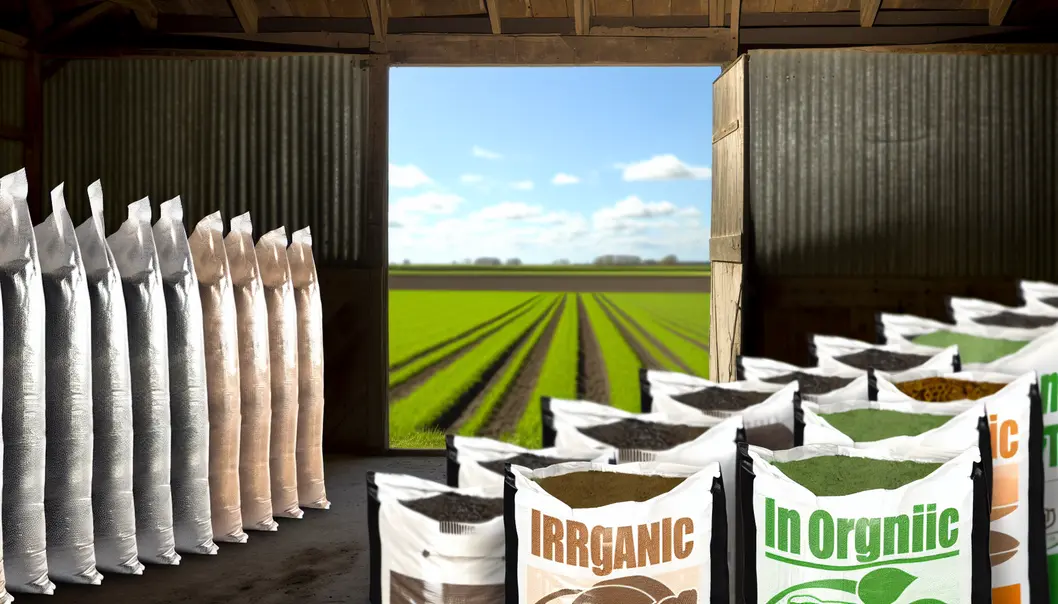
Farmers seeking to maximize crop yields need to understand the diverse types of fertilizers available. These include organic and inorganic options, each offering distinct applications and benefits based on the specific nutrient needs of crops. The primary nutrients plants require include nitrogen (N), phosphorus (P), and potassium (K), commonly referred to as NPK, which play pivotal roles in plant health and productivity.
Organic Fertilizers:
Derived from natural sources such as compost, manure, bone meal, and seaweed, organic fertilizers are lauded for improving soil structure and fertility. They release nutrients slowly, enhancing soil microbial activity and contributing to long-term soil health. For instance, compost not only adds essential nutrients but also improves soil moisture retention. Organic options provide balanced nutrient release, reducing the risk of over-fertilization.
However, organic fertilizers often contain lower nutrient concentrations than their inorganic counterparts, requiring larger application volumes to meet crop needs. They may also be less effective in rapidly boosting nutrient levels necessary for immediate plant uptake.
Inorganic Fertilizers:
Inorganic or synthetic fertilizers are man-made formulations designed to supply nutrients quickly. They are available in various forms, such as granules or liquid, and offer precise nutrient ratios tailored to specific plant requirements. Nitrogen-rich fertilizers are ideal for foliage growth, while phosphorus and potassium are crucial for root development and disease resistance.
Inorganic options allow for quick nutrient replenishment, making them useful for addressing specific deficiencies promptly. However, they can contribute to soil acidity and runoff concerns if not carefully managed. It’s essential to perform soil tests regularly to tailor fertilizer applications to the soil’s current nutrient profile.
Choosing the Right Fertilizer:
Selecting the appropriate fertilizer depends largely on soil testing, which provides insights into the existing nutrient levels and deficiencies. Farmers aiming for sustainable practices often complement inorganic fertilizers with organic amendments to enhance soil health over time. Understanding crop-specific requirements and growth stages also guides fertilizer selection. For example, nitrogen is critical during early growth periods, while potassium is vital for fruiting stages.
Balancing the benefits and limitations of organic and inorganic fertilizers allows farmers to optimize plant nutrition effectively. Farmers must consider not only the nutrient content but also the environmental impact and cost when choosing fertilizers. A diverse approach, integrating both types, often yields the best results, promoting healthy soils and robust crops.
For more detailed information on fertilizer types and their applications, you may find this guide for farmers useful.
Strategic Fertilizer Application for Improved Crop Health

Maximizing nutrient uptake through strategic fertilizer application is crucial for enhancing crop yield. Proper timing and techniques are pivotal in ensuring crops receive the optimal amount of nutrients needed for their development.
Timing plays a significant role in fertilizer application. Applying fertilizers before planting ensures nutrients are available to seedlings once they begin rooting. This practice promotes early and vigorous growth. However, timing must align with the crops’ specific nutrient requirements and growth stages. For instance, side dressing is advantageous for crops like corn, where supplemental nutrients are needed post emergence but before substantial canopy closure.
Broadcasting is a technique where nutrients are spread evenly across the soil surface. This method is efficient for covering large areas quickly. However, it is best suited for crops that have uniform nutrient requirements over large fields. Side dressing involves applying fertilizer beside the rows of crops during the growing season. This focused approach allows for targeted feeding, reducing nutrient loss and ensuring that growing plants access the required nutrients.
Foliar feeding delivers nutrients through liquid sprays onto plant leaves. This technique provides nutrients directly into the plant system, bypassing potential soil issues. It is particularly useful when soil conditions are unfavorable or in correcting trace nutrient deficiencies quickly. Granular application involves spreading solid fertilizer particles, which integrate into the soil over time. This method offers controlled nutrient release, supporting plant needs throughout the growth cycle.
Soil pH and moisture significantly influence fertilizer efficiency. Nutrient uptake is optimized within specific pH ranges, generally between 6.0 and 7.5. Outside these ranges, plant roots may struggle to absorb certain nutrients. Similarly, adequate soil moisture is essential; drought conditions can inhibit nutrient solubility, limiting uptake. Conversely, overly wet conditions can lead to leaching and nutrient runoff.
The advent of precision agriculture technologies has revolutionized fertilizer application. These technologies utilize data-driven approaches to optimize fertilizer use. Soil sensors, GPS mapping, and variable rate technology allow farmers to apply the right amount of fertilizer exactly where it is needed, minimizing waste and environmental impact. Precision agriculture enables a sustainable approach by ensuring inputs are matched to crop requirements, improving both crop health and soil stewardship.
Avoiding over-fertilization is crucial, as excessive nutrient application can lead to nutrient runoff, algal blooms, and soil degradation. Farmers are encouraged to conduct regular soil tests to tailor fertilizer applications to the specific needs of the soil and crop. Monitoring nutrient levels prevents the overuse of fertilizers, safeguarding both the environment and crop potential.
By embracing these strategic fertilizer application techniques and considering environmental conditions, farmers can achieve a more balanced nutrient management plan. This approach not only enhances crop health but also aligns agricultural practices with sustainable and environmentally conscious principles. For further insights on optimizing fertilizer use, farmers can explore this fertilizer guide.
Final words
Fertilizers are critical to achieving high agricultural productivity and quality yields. By choosing the right types and applying them strategically, farmers can significantly enhance soil fertility and plant growth. Sustainable fertilizer use not only supports long-term soil health but also contributes to environmentally responsible farming. Equip yourself with the knowledge for effective fertilizer management to elevate your farming success.
Bạn đã sẵn sàng nâng tầm doanh nghiệp của mình với tự động hóa tiên tiến chưa? Hãy liên hệ với Nguyễn Duy | 0964934238 ngay hôm nay và để đội ngũ chuyên gia của chúng tôi hướng dẫn bạn đến thành công được tối ưu hóa với n8n và các giải pháp dựa trên AI!
Learn more: https://lithahi.vn/elements/pages/contact/
About us
Nguyễn Duy | 0964934238 là một công ty tư vấn có tư duy tiến bộ, chuyên về tự động hóa quy trình làm việc n8n và các giải pháp dựa trên AI. Đội ngũ chuyên gia của chúng tôi cam kết trao quyền cho các doanh nghiệp bằng cách tối ưu hóa quy trình, giảm thiểu sự kém hiệu quả trong vận hành và đẩy nhanh quá trình chuyển đổi kỹ thuật số. Bằng cách tận dụng tính linh hoạt của nền tảng mã nguồn mở n8n cùng với các công nghệ AI tiên tiến, chúng tôi cung cấp các chiến lược được thiết kế riêng, thúc đẩy sự đổi mới và mở ra các cơ hội tăng trưởng mới. Cho dù bạn đang tìm cách tự động hóa các tác vụ thông thường hay tích hợp các hệ thống phức tạp, Nguyễn Duy | 0964934238 cung cấp sự hướng dẫn chuyên môn mà bạn cần để dẫn đầu trong bối cảnh kỹ thuật số đang phát triển nhanh chóng ngày nay.
